


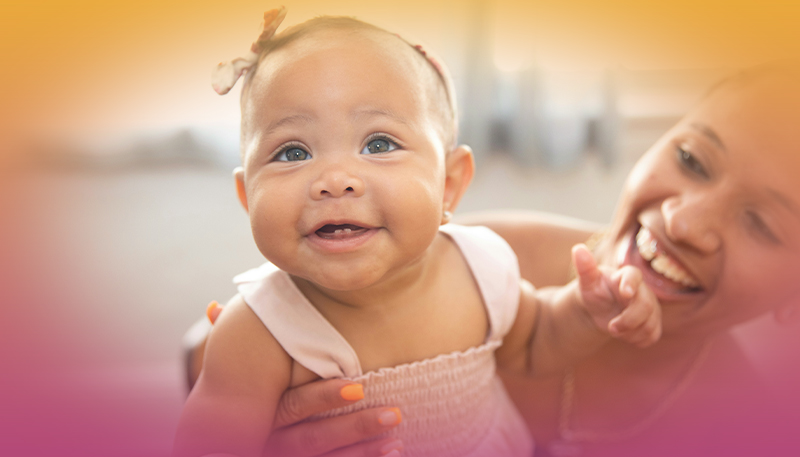
Soothing a crying baby is one of parenting’s most universal challenges. Researchers took a scientific approach and 10 years later, “The Happy Song” has been streamed 470 million times.
In 2016, music psychologist Lauren Stewart and child development psychologist Caspar Addyman were commissioned to create a happiness-inducing song for infants. The child psychologists surveyed more than 2,000 parents to identify what sounds babies responded to, then tested multiple melodies on infant focus groups aged 6 to 12 months. Nearly 80% of babies showed a clear preference for the same melody. The result was a rigorously researched piece of music built around infant neurology, one of the first of its kind.
The science behind it is specific. Babies respond to major keys, melodic repetition and rising pitch – musical elements that trigger anticipation and surprise. They calm more readily to higher-pitched voices, sounds like “pa” and “ba,” other children’s laughter and familiar animal sounds. Even tempo matters – focus groups consistently preferred a moderate pace over a fast one, disproving the researchers’ own initial assumptions.
What the research reveals extends beyond a single hit song. Understanding what infants respond to, and why, transforms the guesswork of soothing into something more intentional. Clearly, science is only beginning to explore the connection between sound, emotion and infant development.
READ: HOW ‘THE HAPPY SONG’ WAS SCIENTIFICALLY CREATED