


A baby girl died in the arms of a young surgical resident in 1985, and that moment of feeling profoundly helpless for an explanation became the motivation behind a remarkable career in modern medical research.
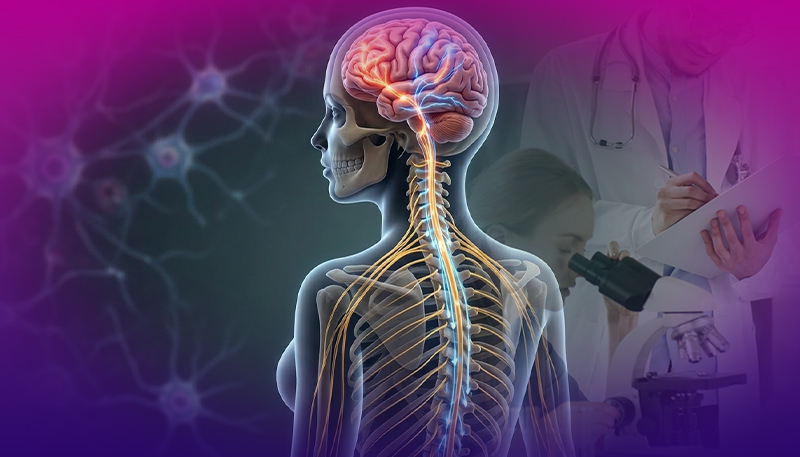
Dr. Kevin J. Tracey has dedicated four decades to understanding inflammation, the body's complex and often destructive immune response underlying dozens of chronic diseases. His pursuit led him to pioneer an entirely new category of care called bioelectronic medicine, a field that uses electrical signals rather than drugs to intervene in the body's inflammatory process.
Last year, the vision originally drawn on a napkin became a reality. The FDA approved a device developed by Tracey and his team that uses targeted electrical signals to shut down harmful inflammation in patients with rheumatoid arthritis. Earlier this year, TIME magazine named him to its list of top 100 innovators in health. For Tracey, the recognition reflects something far more personal than professional achievement. What drives him is the moment a patient's life improves because of work done in his laboratory.
If electrical signals can quiet inflammation in rheumatoid arthritis patients, Tracey wonders, why not in patients with cancer or heart disease. The implications for human health on a global scale are profound, and by his own account, he’s just getting started.
ARTICLE: CUTTING-EDGE INFLAMMATION RESEARCH
A baby girl died in the arms of a young surgical resident in 1985, and that moment of feeling profoundly helpless for an explanation became the motivation behind a remarkable career in modern medical research.
Dr. Kevin J. Tracey has dedicated four decades to understanding inflammation, the body's complex and often destructive immune response underlying dozens of chronic diseases. His pursuit led him to pioneer an entirely new category of care called bioelectronic medicine, a field that uses electrical signals rather than drugs to intervene in the body's inflammatory process.
Last year, the vision originally drawn on a napkin became a reality. The FDA approved a device developed by Tracey and his team that uses targeted electrical signals to shut down harmful inflammation in patients with rheumatoid arthritis. Earlier this year, TIME magazine named him to its list of top 100 innovators in health. For Tracey, the recognition reflects something far more personal than professional achievement. What drives him is the moment a patient's life improves because of work done in his laboratory.
If electrical signals can quiet inflammation in rheumatoid arthritis patients, Tracey wonders, why not in patients with cancer or heart disease. The implications for human health on a global scale are profound, and by his own account, he’s just getting started.
ARTICLE: CUTTING-EDGE INFLAMMATION RESEARCH