


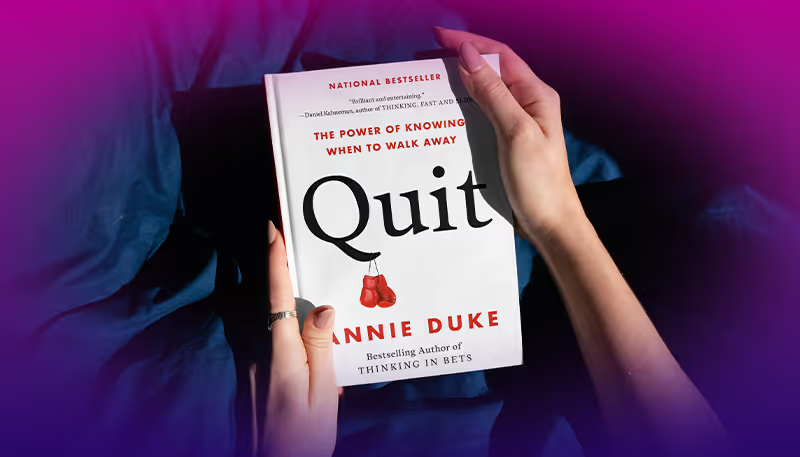
We’re taught to push through. Stick it out. Don’t quit. But in the book, Quit: The Power of Knowing When to Walk Away, Annie Duke challenges that belief—and makes a convincing case that quitting isn’t just weakness. It’s a skill worth mastering.
Drawing on her background as a professional poker player, Duke reframes quitting as a strategic decision rather than a character flaw. In poker, knowing when to fold isn’t failure; it’s good judgment. The same principle applies to careers, business decisions, and long-term goals. The real danger isn’t quitting too early—it’s staying too long.
Much of our resistance to quitting comes from time invested and money spent. Duke reminds us that past effort is gone either way. The key is the decision you make next. Duke’s argument is especially compelling because quitting isn’t about walking away indiscriminately—it’s about focusing on what matters most.
Quitting the misdirected things allows us to fully commit to the right ones. In that sense, quitting becomes an act of discipline, not defeat. It requires honesty, courage, and the willingness to change when circumstances change.
The takeaway? Instead of asking, “How do I make this work?” ask, “If I were starting fresh today, would I choose this?” That question alone can prompt smarter, earlier exits.
We’re taught to push through. Stick it out. Don’t quit. But in the book, Quit: The Power of Knowing When to Walk Away, Annie Duke challenges that belief—and makes a convincing case that quitting isn’t just weakness. It’s a skill worth mastering.
Drawing on her background as a professional poker player, Duke reframes quitting as a strategic decision rather than a character flaw. In poker, knowing when to fold isn’t failure; it’s good judgment. The same principle applies to careers, business decisions, and long-term goals. The real danger isn’t quitting too early—it’s staying too long.
Much of our resistance to quitting comes from time invested and money spent. Duke reminds us that past effort is gone either way. The key is the decision you make next. Duke’s argument is especially compelling because quitting isn’t about walking away indiscriminately—it’s about focusing on what matters most.
Quitting the misdirected things allows us to fully commit to the right ones. In that sense, quitting becomes an act of discipline, not defeat. It requires honesty, courage, and the willingness to change when circumstances change.
The takeaway? Instead of asking, “How do I make this work?” ask, “If I were starting fresh today, would I choose this?” That question alone can prompt smarter, earlier exits.